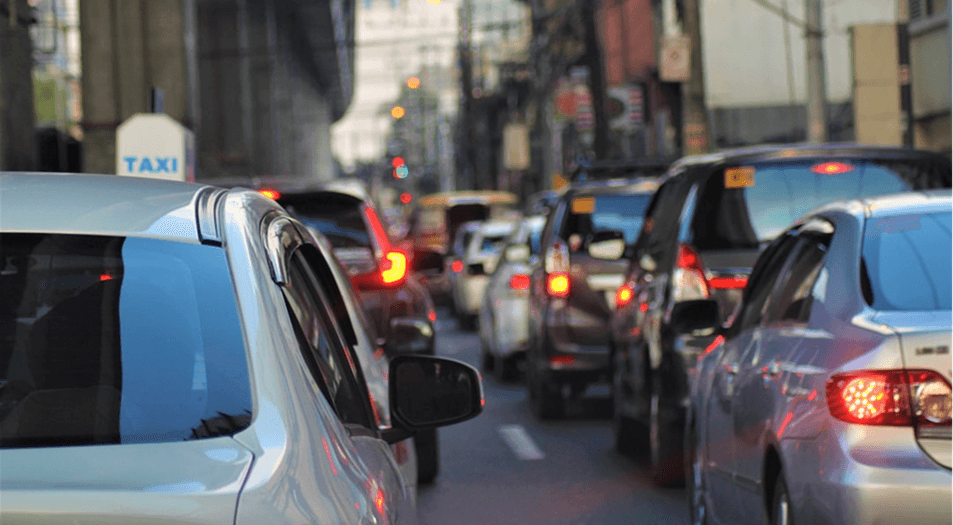
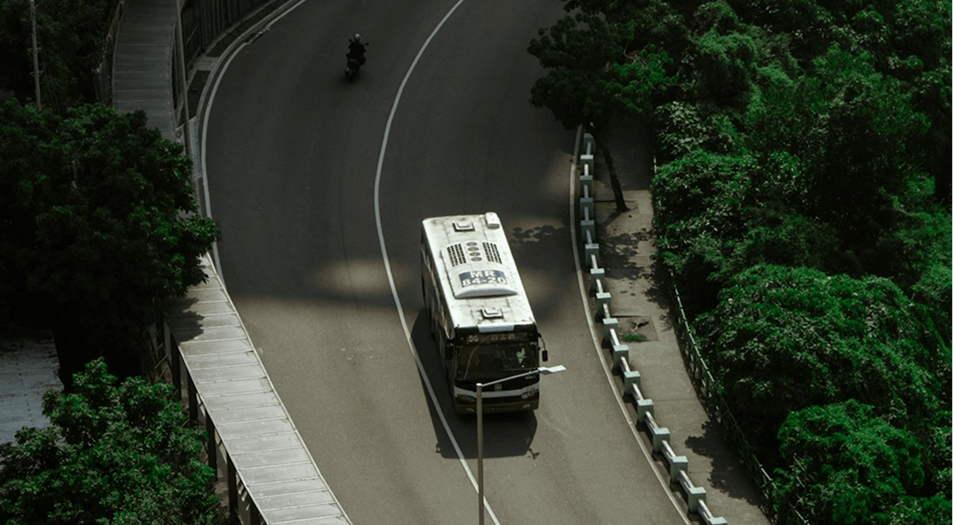
When the vehicle is moving forward in an ascending way / up gradient.
Moving from stop position, the driver has to swiftly move his/her leg from the brake pedal to acceleration pedal. Within this, the vehicle will roll back due to the gravity.
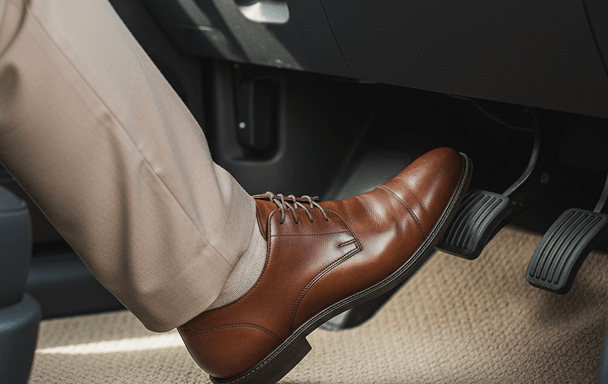
Holding the brake pedal to keep the car steady on an incline.
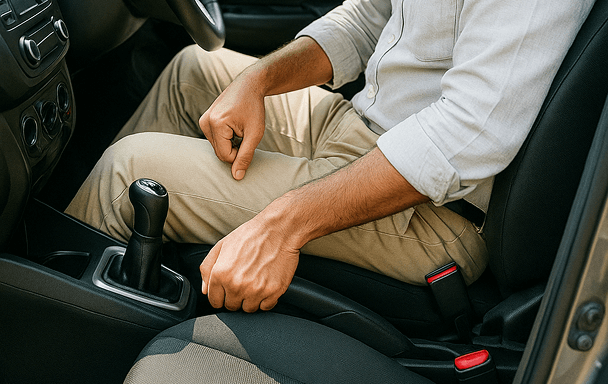
Using the handbrake to prevent the vehicle from rolling backward.
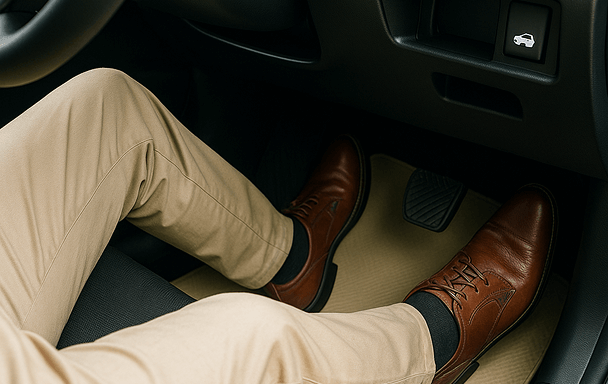
Balancing clutch and accelerator to stop rollback on a slope.
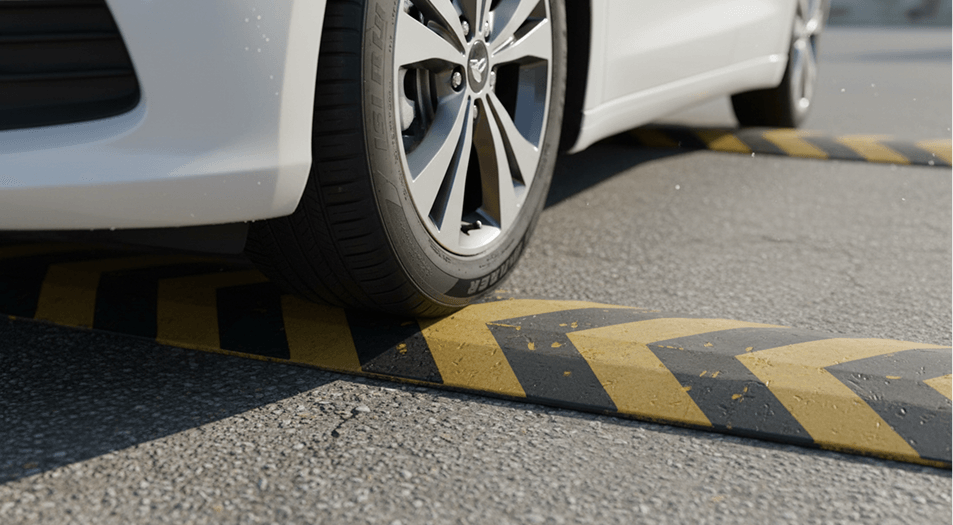
When the vehicle is moving Downwards in a descending way / down gradient, The driver cannot take out his/her legs from the brake pedal If so, the vehicle will roll front due to the gravity.
Holding the brake pedal to keep the car steady on an incline.
Using the handbrake to prevent the vehicle from rolling backward.

Manual braking on slopes and in traffic greatly increases the driver’s physical effort, leading to fatigue, neck pain, and discomfort during long drives.

Frequent rolling and sudden stops increase the chance of accidental impact during close-range driving.

Drivers must stay overly alert to prevent rollback, leading to increased stress, tension, and discomfort.

Frequent clutch-brake balance and repeated acceleration waste fuel, increasing overall running cost.
Continuous balancing of the brake, clutch, and accelerator—especially on slopes and in heavy traffic—causes premature wear of mechanical drum brake parts, reducing performance and increasing maintenance costs.
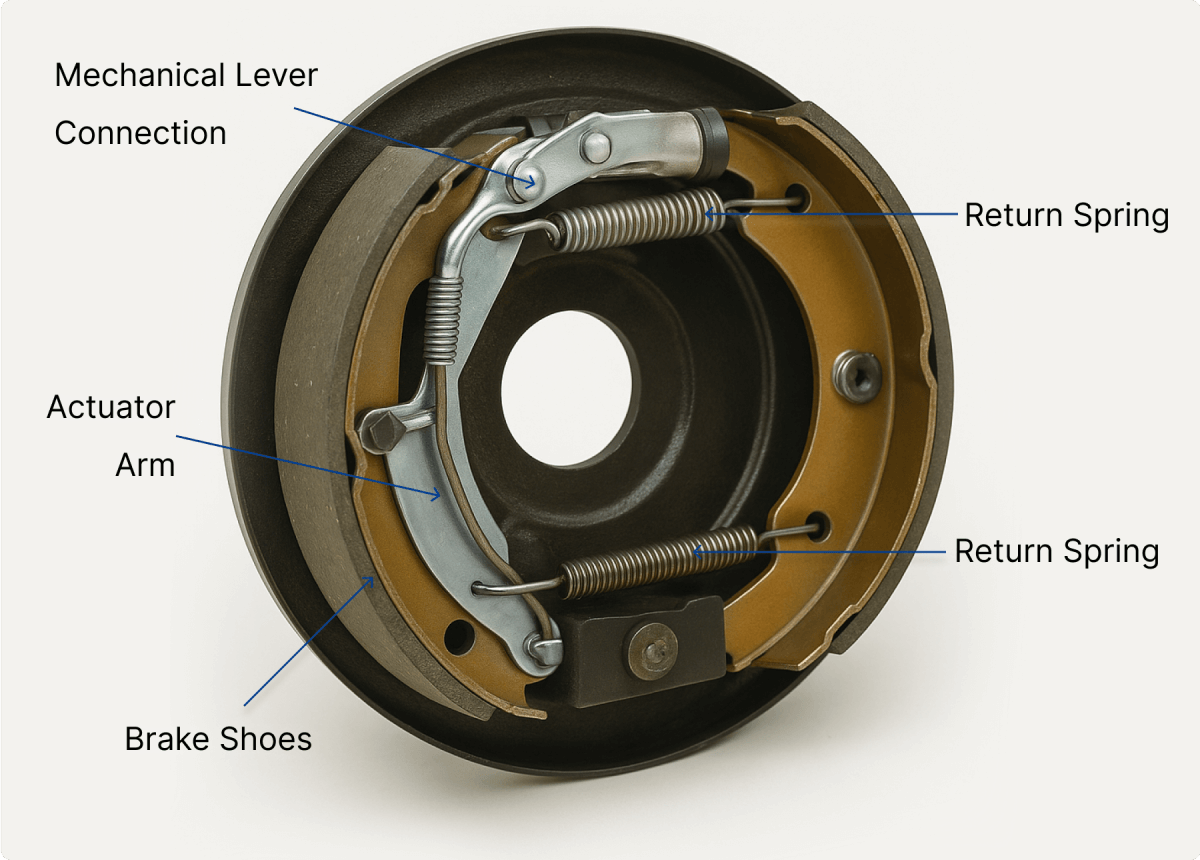
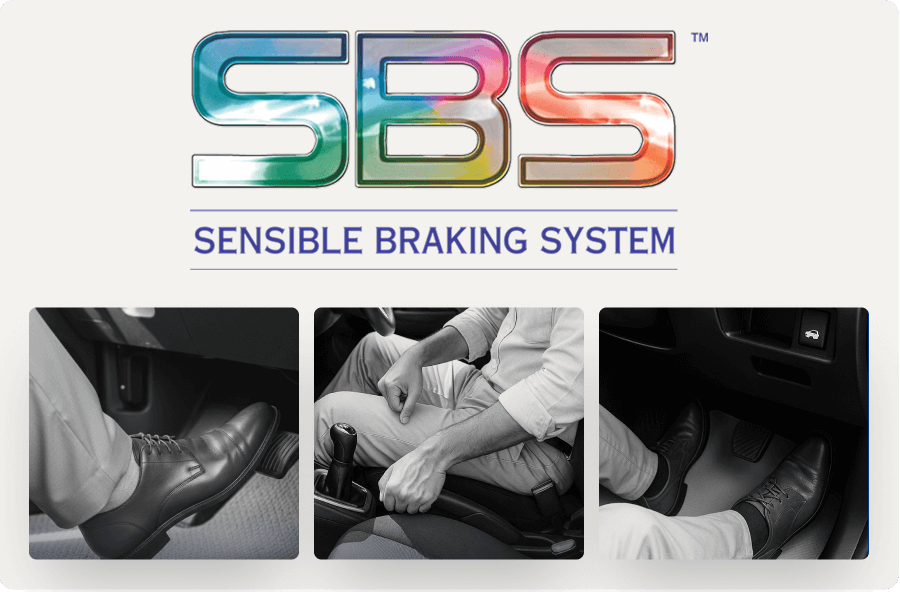
With Sensible Braking System (SBS) installed, your vehicle stays steady on both uphill and downhill ramps without any extra effort from the driver.

Your car stays in place automatically, even on steep slopes.
Stop-and-go traffic becomes smooth without manual braking steps.
Forget the stress of finding the perfect "biting point" on ramps.









| System Features | Hill Assist / Hill Start Assist | Auto Hold | Sensible Braking System |
|---|---|---|---|
| Surface Independent | No | Yes | Yes |
| Time Independent | No | Yes | Yes |
| Operation in Neutral or Gear | Gear Only * | Both | Both |
| Automatic (Engage / Disengage) | No | No | Yes |
| ABS / ESP Independent | No | No | Yes |
| Variant Independent | No | No | Yes |
| Retro-fitment (Possible / Not Possible) | Not Possible | Not Possible | Possible |
| Retro-fitment (Possible / Not Possible) | High (Top End Only) | Very High (Premium Cars Only) | Economical |
SBS transforms every aspect of your driving experience while working seamlessly with your existing brake system